
Article contents
Many think finishing is just paint and final decor, but in reality proper finishing starts much earlier, because the quality of the early stages determines the strength and durability of the space’s final look.
From our experience in finishing works, we always treat a project as a complete system that starts with first-fix and ends with the finest details.
Stage One: Proper First-Fix
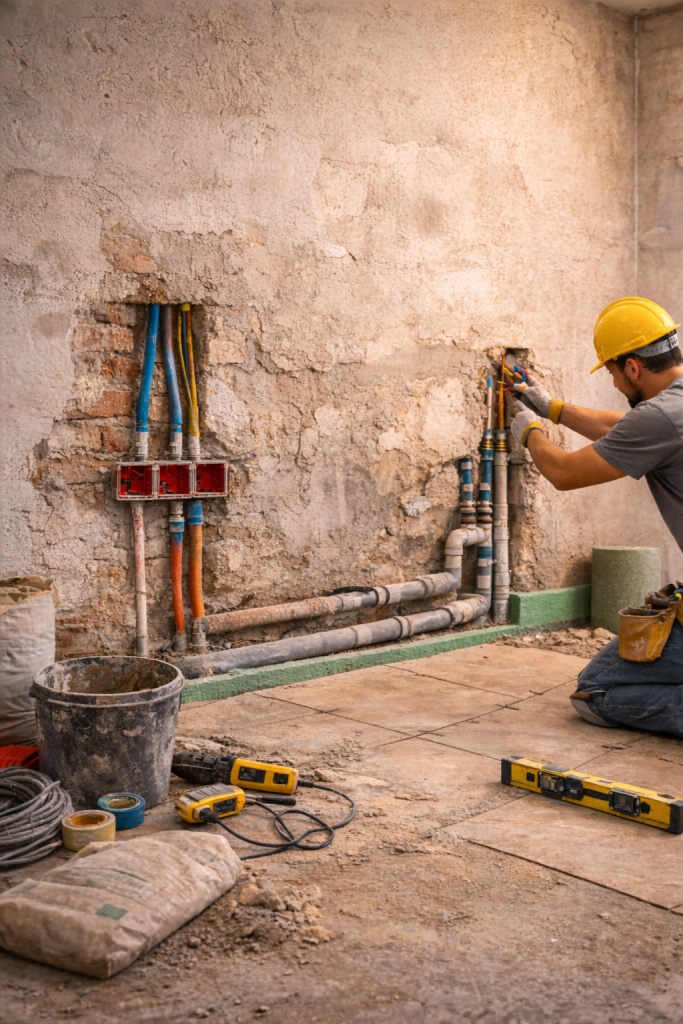
At this stage, electrical, plumbing and insulation works are checked before any visible finishing begins. This step is essential because any mistake here will show later and lead to breaking out and redoing the work.
At this stage we focus on:
Insulation that protects walls and ceilings from damp
Safe, organized electrical runs
Plumbing first-fix that prevents future leaks
Stage Two: Plastering and Preparing for Finishing
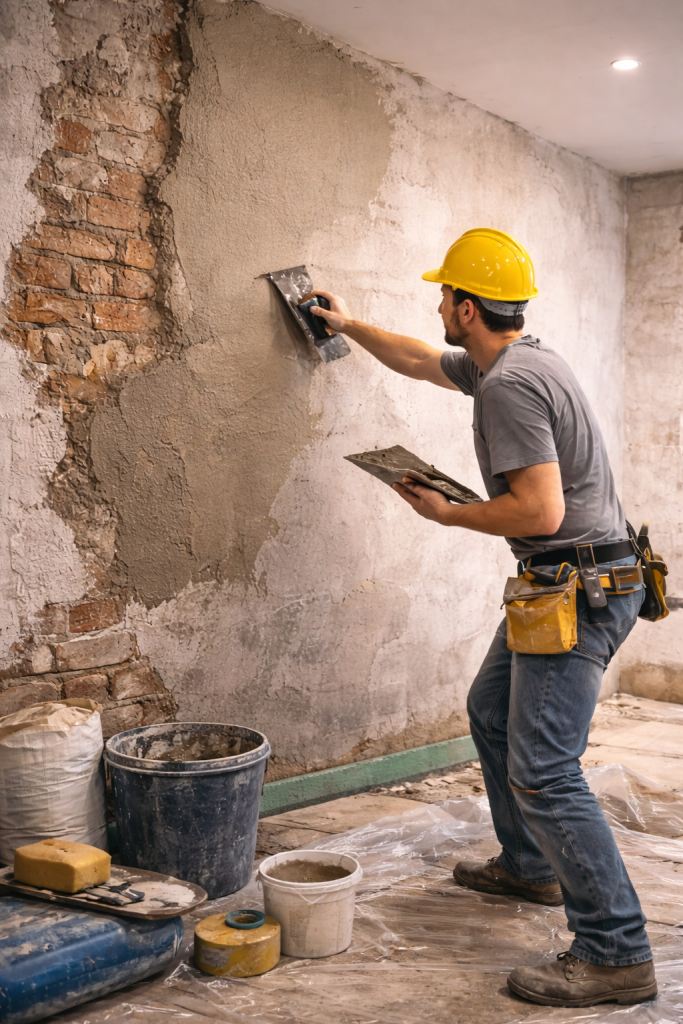
After first-fix, we move to plastering and leveling the walls, which determines the quality of paints and finishes later. Good plastering gives a solid surface that helps paint stay on for a long time and prevents cracks.
Stage Three: Final Finishes
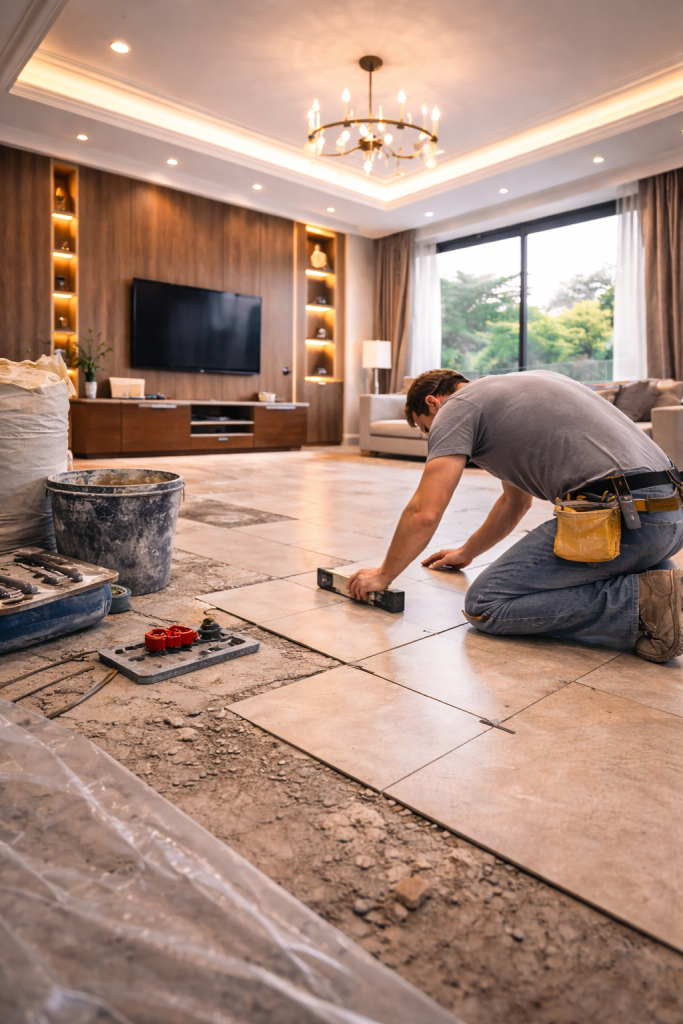
This is where the real look of the space starts to appear. This stage includes:
Installing doors and windows
Installing floors such as ceramic or parquet
Building gypsum ceilings and hidden lighting
Final paints and decor
At this stage we make sure to choose the right materials for each location, because material quality matters as much as execution quality.
Why Does Professional Finishing Matter?
Good finishing doesn’t just make a space look beautiful; it preserves the building for many years, reduces the need for frequent maintenance, and raises the property’s market value.
Doing the work right from the start saves time and money and gives the homeowner comfort and peace of mind.
If you are thinking of finishing your home or want to know the best options for your space and budget, early consultation helps you make the right decision and avoid costly mistakes later.
Contact Us
Stages of Finishing Villas and Palaces From Shell to Turnkey
Many property owners think finishing a home is just choosing paint colors, final decor and gypsum board. But in the reality of the Saudi property market, proper and successful finishing starts much earlier; the quality of the early stages “behind the walls” determines the strength and durability of the space’s final luxury, and protects you from exhausting future maintenance costs.
Through our long experience in contracting and decor works, we always treat every villa or building as a
complete engineering system that starts with smart first-fix and ends with turnkey handover to the highest quality standards and compliance with the Saudi Building Code.
Stage One: Smart First-Fix (What Lies Behind the Decor)
This is the most critical stage in a building’s life, and it starts right after receiving the building as a shell. At this stage, the infrastructure installations are checked before any visible finishing begins. Any mistake or carelessness here will literally mean “breaking luxury walls and floors” later to fix faults.
At this stage we focus on three key areas:
- Complete waterproofing and thermal insulation: Insulating bathrooms, kitchens and roofs with advanced chemical materials to protect walls from damp and salinity (a common problem in the Kingdom’s coastal cities).
- Safe, organized electrical runs: Setting electrical boxes, running flexible conduits and pulling genuine wires (such as Alfanar or Riyadh Cables) to handle the load of split and ducted concealed AC units without short circuits.
- Plumbing first-fix that prevents future leaks: Using approved green PPR heat pipes and pressure-testing the supply and drainage network with water to make sure there are no leaks before the floors are covered.
Stage Two: Plastering and Squaring (Preparing the Canvas)
After first-fix and the plumbing and electrical tests, we move to plastering and leveling the walls. This step determines how straight and high-quality the paints and decor installation will be later.
In our work we rely on plastering with “dots and screeds” to ensure rooms are square and corners 100% straight. Good, ripple-free plastering gives a solid surface that helps filler and wall paints last a long time and prevents annoying hairline cracks.
- If you want a plastering contractor in Khobar
Stage Three: Final Finishes (Luxury Is Born)
This is where the real features of your lifetime home start to appear, as engineering ideas turn into a tangible reality that reflects the client’s refined taste. This stage includes:
- Installing doors and windows: Installing dust-resistant, sound-insulating double-glazed aluminum sections, with solid wood doors or moisture-resistant WPC doors.
- Installing premium floors: Installing ceramic, large-format porcelain, or marble for majlis rooms and parquet for bedrooms, with installation methods that prevent hollow-sounding floors.
- Gypsum ceilings and hidden lighting: Building gypsum board ceilings in modern or neo-classic designs coordinated with the AC and lighting layout (spotlights and LED strips).
- Wall paints and decor: Applying the final coats of paint (Jotun or Al Jazeera), with modern touches such as marble alternative, wood alternative and chipboard.
Why Is Professional Finishing a Smart Investment?
Commercial-grade finishing may impress you in the first few days, but professional, engineered finishing gives you benefits beyond a beautiful look:
- Building sustainability: It reduces your need for frequent maintenance for many years.
- Raising market value: Villas finished professionally with approved materials gain significant property value on the Saudi market.
- Saving costs: Doing it right from the start spares you costly repair and modification bills, and gives your family comfort and peace of mind.
Frequently Asked Questions From Clients When Finishing Homes (FAQ)
What is the difference between modern and neo-classic villa finishing?
Modern finishing relies on simplicity, neutral colors (white and gray) and straight lines without ornament. Neo-classic combines the luxury of classic style with modern freshness, featuring wall frame moldings (foam or gypsum) and simple cornices with chandeliers.
When should you coordinate with the interior designer or finishing company?
It is always best to coordinate before or during the shell construction stage, because the interior design plans and furniture layout determine exactly where sockets go, how lighting is distributed and where AC pipes run, which prevents changes and breaking later
- If you want a renovation contractor in Qatif
How can I make sure porcelain and ceramic tiles don’t become hollow after installation?
The secret is using the right adhesive for each type (especially large-format porcelain, which needs a strong adhesive and not just a cement mix), and leaving expansion joints between tiles (at least 2 mm) to absorb floor expansion from summer heat.
Do you offer “turnkey” finishing including materials?
Yes, we offer complete “turnkey” finishing packages covering design, supply of luxury materials and execution under engineering supervision, saving the client the trouble of going between shops and suppliers and ensuring the materials match the specifications.
How are wall corners treated during plastering to prevent damage?
We install galvanized metal mesh corner beads at wall and column corners before plastering. These beads protect the edges from breaking and wear from impacts and ensure a sharp, perfectly straight wall edge.
Conclusion: Start Finishing Your Lifetime Home With Confident Steps
Finishing your home is the stage that turns silent concrete into a place full of life and warmth. Don’t leave this important investment to untrained hands or unlicensed contractors who rely on temporary surface fixes.
Early consultation and sound planning with specialists save you a lot of time and money, and guarantee an execution that meets your aspirations and gives you the security you want for your property.


Related articles

[…] The total time to finish a medium-sized villa usually ranges between 4 and 8 months. You'll find the full details of each stage in the guide to villa finishing stages from shell to turnkey. […]